
Tree Trimming Services
Regular trimming helps prevent disease, improves safety by removing hazardous limbs, and encourages healthy growth.
Look for dead or broken branches, crowding, or limbs that interfere with structures or power lines.
Pruning shears, saws, and pole pruners are common tools for effective trimming.
Crown thinning, crown reduction, and shaping are typical methods used to maintain tree health and aesthetics.
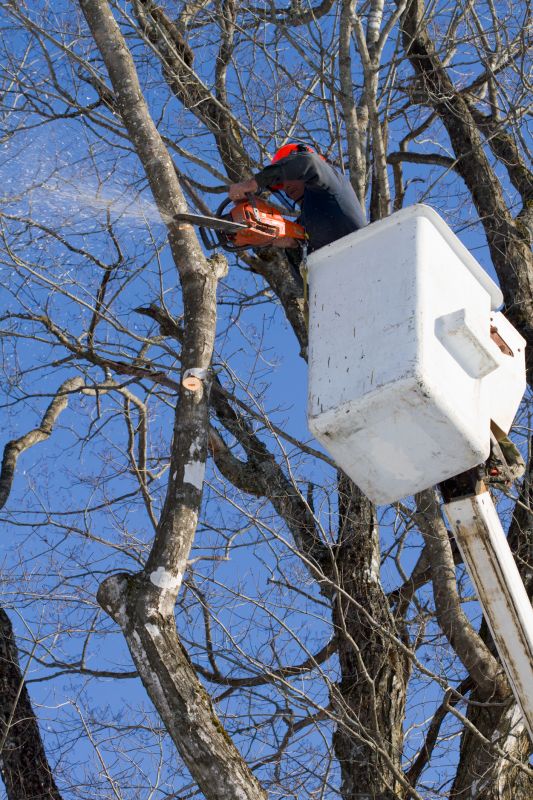
Various tools are used for precise trimming and shaping of trees.
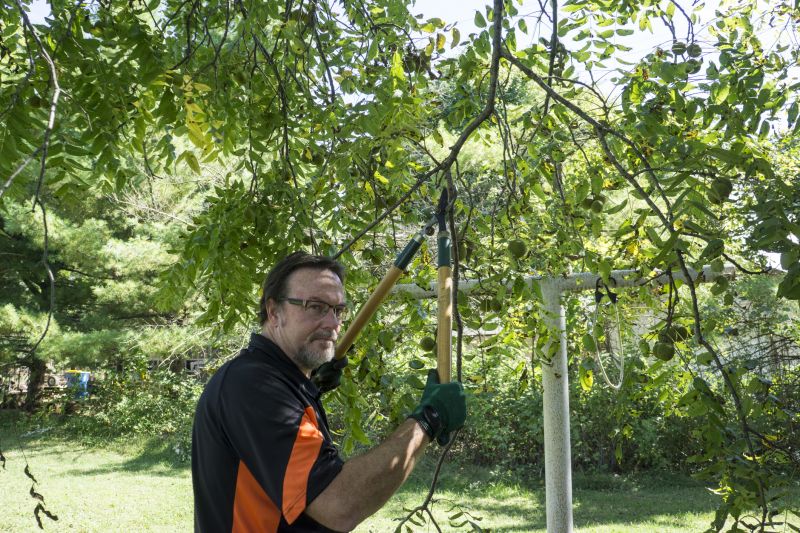
Removing dead branches promotes healthy growth.
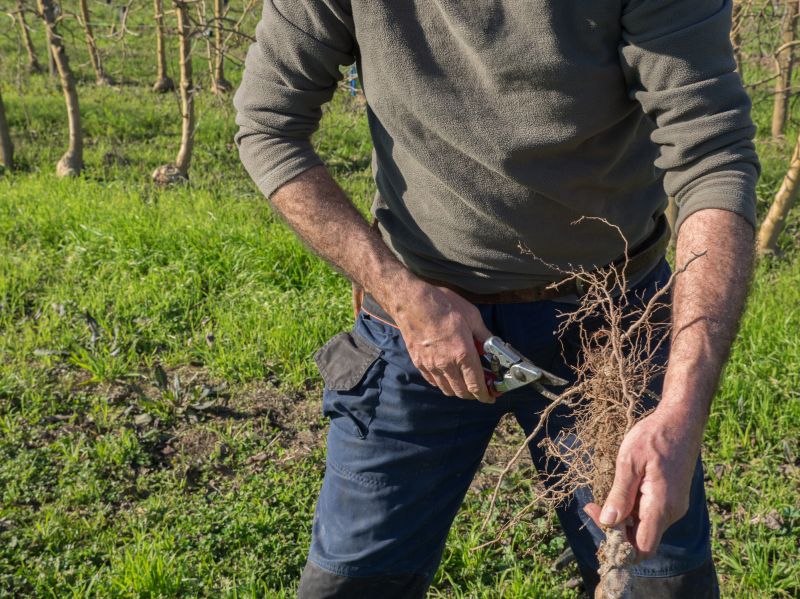
Trimming techniques improve tree structure.
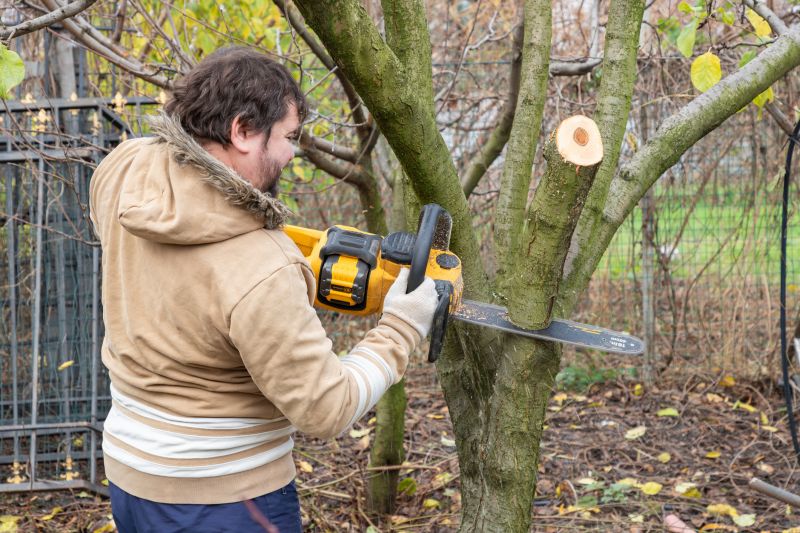
Ways to make Tree Trimmings work in tight or awkward layouts.
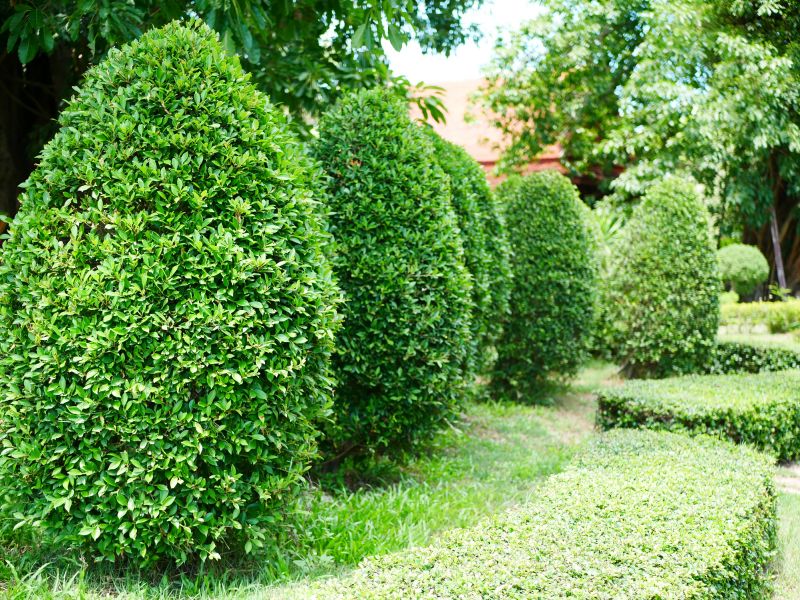
Popular materials for Tree Trimmings and why they hold up over time.
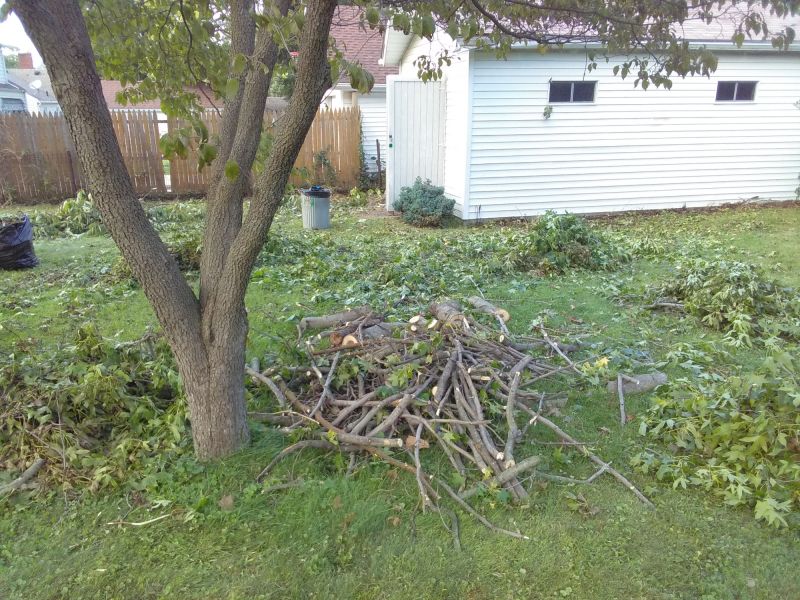
Simple add-ons that improve Tree Trimmings without blowing the budget.
| Best Time for Tree Trimmings | Details |
|---|---|
| Late Winter to Early Spring | Ideal before new growth begins, reducing stress on the tree. |
| Late Spring | After the last frost, when the tree is actively growing. |
| Summer | For shaping and removing dead or hazardous branches. |
| Early Fall | To prepare the tree for winter and remove weak limbs. |
| Avoid Late Fall and Winter | Tree dormancy makes trimming more difficult and can cause damage. |
Tree trimmings are a vital part of maintaining healthy and safe trees. Proper timing, techniques, and tools ensure the best outcomes for the longevity and appearance of trees. Regular trimming can also prevent potential hazards caused by falling branches or disease spread.
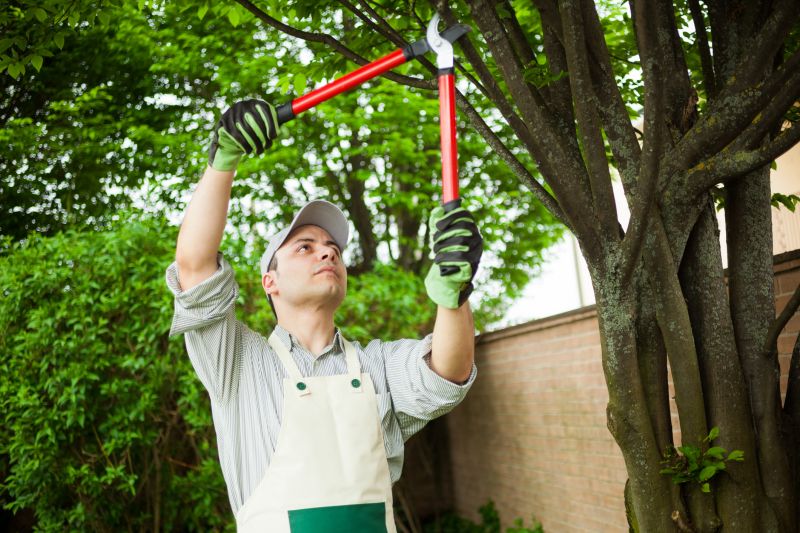
Proper pruning techniques are essential for healthy growth.
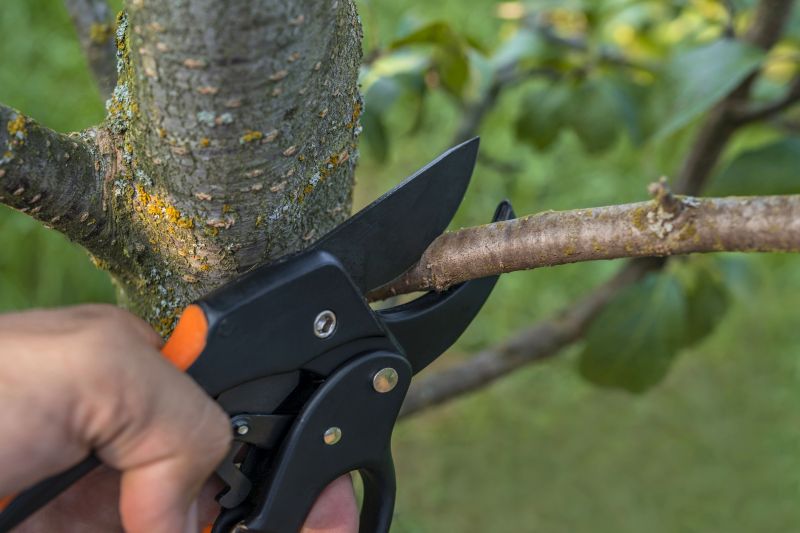
Visual comparison of tree shape improvement.
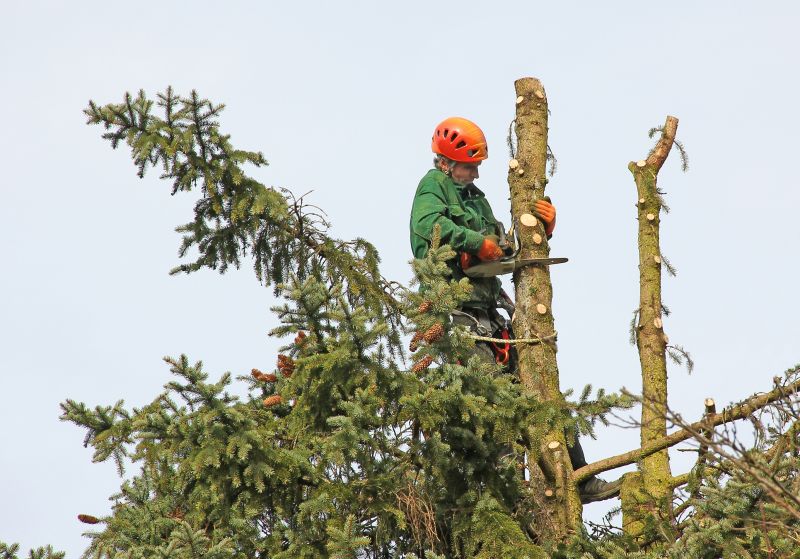
Essential equipment used by professionals.
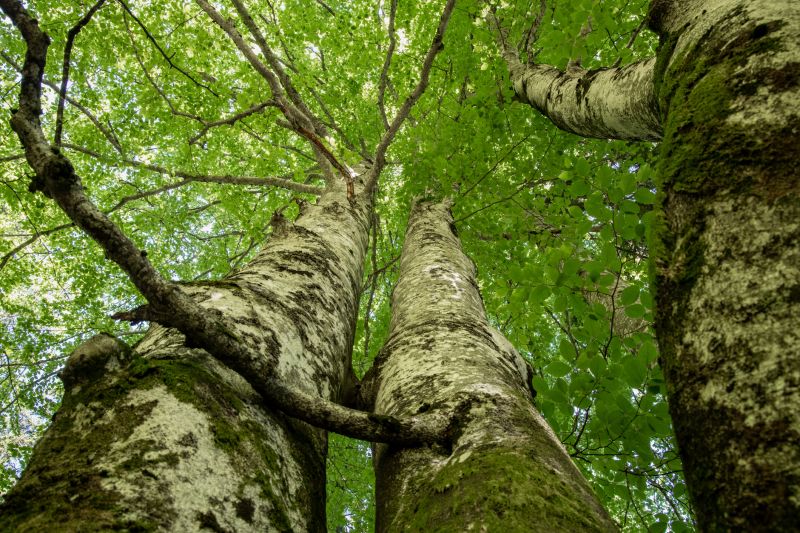
Well-maintained branches promote lush growth.
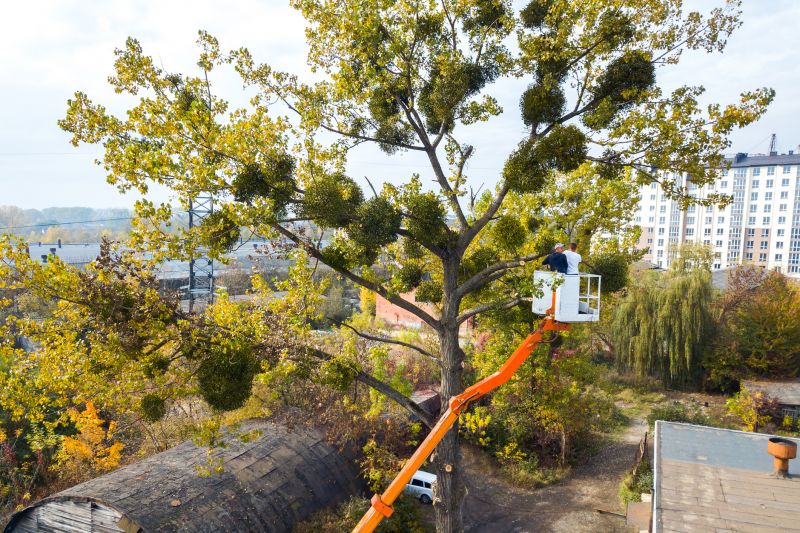
High-end options that actually feel worth it for Tree Trimmings.

Finishes and colors that play nicely with Tree Trimmings.
Interested in professional tree trimmings? Contact the local experts to schedule a service that promotes the health and safety of trees on the property.